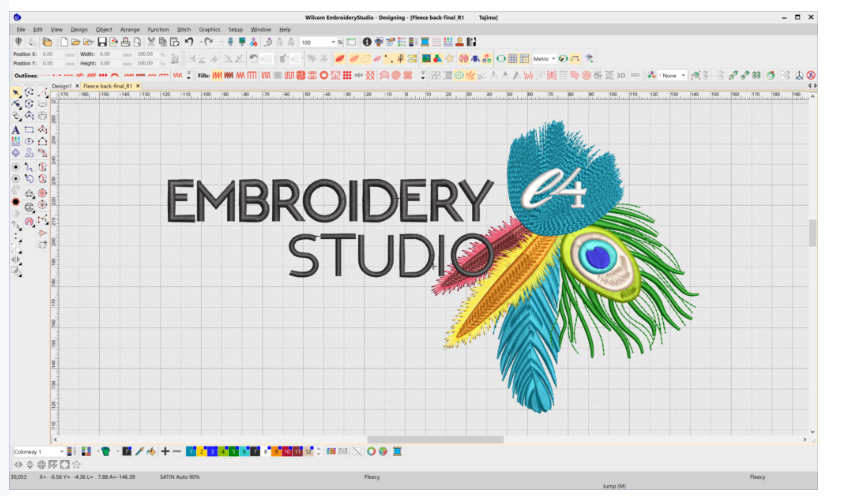
Embroidery machines need the right file type to work well. Each machine brand uses its own stitch format. If you use the wrong file, the design may not open. Or worse, it may stitch badly. That is why file conversion is a big part of embroidery work.
Many users search for a trusted PXF File Converter to change their design into the right format. PXF is used by some Tajima and Pulse systems. It stores stitch data, color steps, and machine path details. A good converter keeps all stitch settings safe during the change. A poor one can damage the file.
In this guide, I will share real tips from hands-on work. I have tested many converters over the years. Some are safe. Some cause stitch errors. This article will help you choose wisely.
A PXF file is a stitch file. It is used in pro digitizing systems.
It contains:
It is not an image file. It is a stitch map.
If you open a PXF file in the wrong software, it may not show all details.
Many shops use more than one machine. Some clients send files in DST. Some send PES. Some send EXP.
If your machine needs PXF, you must convert the file.
But simple conversion is not always safe.
If the tool does not handle stitch logic well, you may see:
I have seen cases where a clean DST file became messy after poor conversion. That is why the right tool matters.
Not all converters are equal. A strong converter must protect stitch data.
The tool must keep:
If path order changes, thread breaks can increase.
Density controls how tight stitches are.
A bad converter may increase or reduce stitch spacing.
This can cause:
A good tool keeps density stable.
Color steps must stay in order.
Wrong order wastes time and thread.
A strong converter should support:
This gives you flexibility.
There are three main types.
This is installed on your computer.
Best for pro shops.
Many pro digitizing tools include export options.
From my experience, this is the safest method.
These run in your browser.
Good for simple jobs only.
In 2026, tech is better. But you must still check the details.
The tool should show a stitch preview.
You must see:
Never convert blindly.
After conversion, check stitch count.
If the count changes too much, something is wrong.
PXF files use trim steps. Make sure they stay intact.
Some pro tools allow fabric presets.
This helps keep stitch shape safe.
In real work, I tested three types of converters.
The file converted fast.
But stitch count increased by 15%.
Result on fabric:
Lesson: Always test stitch.
Stitch count stayed the same.
Color order was correct.
Result:
Lesson: Quality tools protect stitch logic.
This gave the best result.
No stitch count change.
Perfect stitch order.
Lesson: If possible, convert from original file source.
Conversion is not always simple.
If the file is complex, manual review is needed.
Embroidery Digitizing Services in USA - Absolute Digitizing handles many file types, including PXF. They review stitch flow after conversion. They do not just click export and send.
They check:
This extra step avoids stitch problems.
Here are issues I see often.
Thread moves across design without trim.
This looks messy.
Some converters drop underlay.
Design sinks into fabric.
Some tools resize during export.
This changes density and shape.
Thread colors may not match.
Always check color list after conversion.
Let us break it down into simple steps.
Use pro software if possible.
Review:
Fix before conversion.
Select PXF format.
Avoid resizing at this stage.
Open the exported file.
Check stitch count and color steps.
Always stitch on scrap fabric first.
Check:
Fix if needed.
Avoid basic tools if:
Complex files need expert review.
File conversion is not just tech. It is fabric knowledge too.
A skilled digitizer knows:
Embroidery Digitizing Services in USA - Absolute Digitizing combines software tools with manual review. This mix gives better results.
Their team checks each file before the final send. That reduces risk of machine errors.
In 2026, trust matters more than ever.
Years of stitch testing build skill.
Deep knowledge of stitch logic protects file quality.
Real stitch samples show proof of work.
Clear support and file review build long-term trust.
Choose services that show real stitch work, not just screen views.
Keep these points in mind:
Small checks prevent big problems.
Finding the best PXF file converter for professional embroidery designs takes care and testing. Not all tools protect stitch logic. Some change density. Some break trim steps.
If you want safe results, use trusted desktop software or export from the original digitizing source. Always test stitch.
And if the design is complex, expert support is wise. Embroidery Digitizing Services in USA - Absolute Digitizing offers careful file review and format conversion support. That extra layer of checking protects your fabric, your thread, and your brand.
Embroidery is detailed work. Even file conversion needs skill. When you choose the right tool and follow smart steps, your PXF files will stitch clean and strong every time.