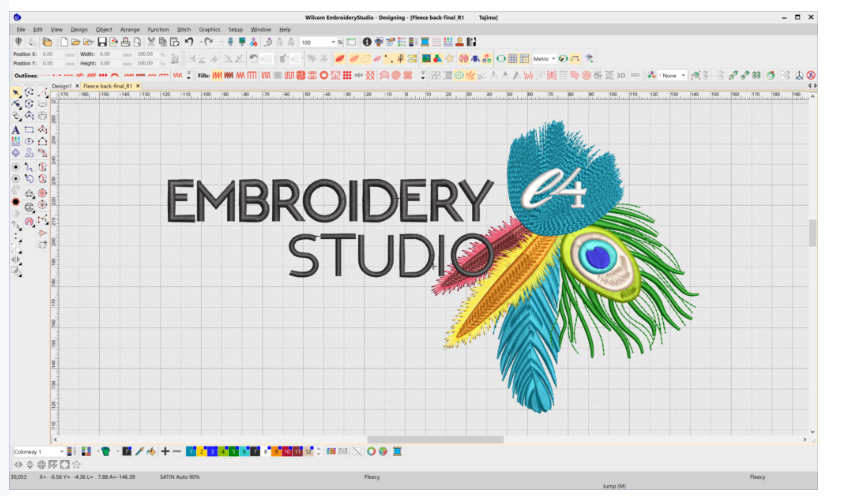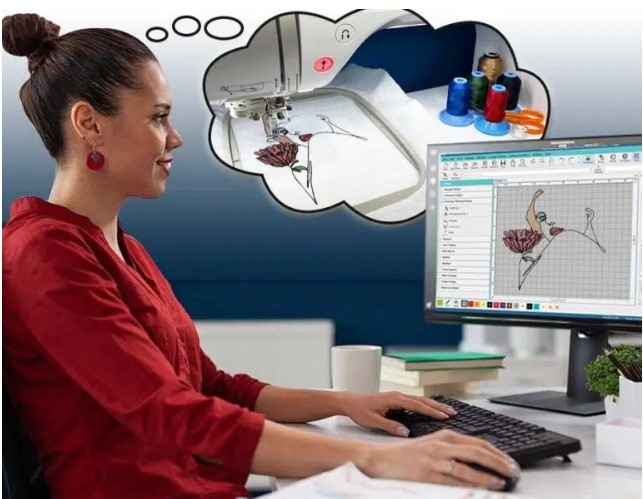
Creating clean stitch files is a big part of good embroidery work. You want your design to run smooth on the machine. You also want neat lines, sharp curves, and even stitch flow. To get this, you need good tools. One of those tools is a strong and professional file converter. A good converter turns artwork into a file your machine can read with no stress. It also keeps the detail of the design and avoids rough edges or broken stitches. Many people who work with embroidery say the right converter saves time and money.
Using a PES File Converter is one step that helps you get clean and ready-to-use stitch files. It supports most embroidery machines and gives you a high-quality output. This makes your entire job simple. You do not have to redo your work again and again because of poor file quality. When your stitch file is correct, your machine runs well, the fabric moves fine, and the end result looks neat and professional.
Many beginners try free tools or basic software. But soon they learn that bad file quality leads to poor embroidery. You may get loose lines, holes in the fabric, or small jumps. You may also face issues with color breaks or thread cuts. This makes your work slow and costly.
A professional converter fixes these problems. It reads your artwork and keeps the fine detail. It then creates a clean file that works well on your machine. You do not have to guess or test again and again.
Your machine can only sew what the file tells it. If the file is wrong, the design will also be wrong. Good files guide your machine with the right stitch count, angles, and density. A good converter gives you this.
Whether you work on logos, badges, hats, jackets, or shirts, a proper stitch file is key. A strong converter supports many design styles, such as:
This is why many embroidery shops and digital artists choose tools used by professionals. They want files that sew right the first time.
A high-quality tool does more than change the file format. It checks your design and fixes possible issues. It looks at stitch length, density, and color layers. It also makes sure the file opens and runs smoothly.
Bad files often break in the middle of sewing. Your machine then stops, and you waste time. A professional converter helps avoid this.
A clean file has clear color blocks. This helps your machine switch colors at the right point.
Jump stitches make your work look rough. A good converter reduces these jumps and keeps the paths smooth.
Some basic tools change the size of the design by mistake. A good converter keeps the size exact and correct.
You can focus on sewing instead of fixing errors. This improves your speed and your results.
If you run an embroidery shop or work as a designer, you know that time is money. You cannot spend hours fixing one file. You need something fast, easy, and reliable.
Clean files help you:
Your customers expect sharp work. When they see clean edges and neat stitches, they trust your work more.
Many embroidery machines use PES files. But some machines use DST, EXP, JEF, VP3, or other formats. A good converter supports many file types, so you can convert and sew without any limits. This helps you work with more customers and more machines.
When you convert files the right way, they fit these machines with no errors.
Good digitizing and file conversion go hand in hand. Digitizing Buddy is known for producing high-quality stitch files. Many businesses choose them to get clean results. They understand density, pull, push, and fabric type. They also know how to create files that run well on real machines, not just in software preview.
A converter alone is good, but when you combine it with expert digitizing, you get even better work. Digitizing Buddy supports many file formats and gives custom help when needed.
Here are the top features you should look for when picking a PES converter:
The converter should keep the design detail. It should not change shapes or angles.
You should get your file in seconds, not minutes.
This helps you work with many customers and projects.
The stitch flow should be neat. No random jumps.
You may want to change density, pattern type, or color count.
Even if you are new, the software should be simple to use.
Logos and detailed art need advanced tools.
Choose a clear image with good detail.
Pick PES or other formats your machine needs.
Set the size, stitch type, and density.
The converter reads your design and builds the stitches.
Load the file into your machine and do a test stitch on scrap fabric.
This helps you catch small issues before starting real work.
Good converters reduce errors. They also let you fix or tune designs fast. This is helpful for big orders. If you run a shop, you know that every stitch counts. If your file is wrong by even a little, it can ruin a whole batch.
Professional tools give you:
This helps your business grow.
Sometimes your design is very detailed. It may have tiny text or fine lines that normal tools cannot read. In such cases, you need expert digitizing. Digitizing Buddy can help with this. They understand design rules and know how to make files that stitch well on fabric.
You should get help when:
Experts can save you a lot of time and stress.
A clean and accurate stitch file starts with a good converter. A professional PES File Converter gives you better control and better results. It keeps your design sharp and neat. It also makes sewing easy and stress-free. Whether you run a big shop or work from home, a strong converter helps your work shine.
If you want high-quality stitch files, expert help, or support with tricky designs, Digitizing Buddy is a trusted name for many artists and shops. With the right tools and the right support, your embroidery will always look neat and professional.