Modern buyers are choosing luxury SUVs over sedans due to their versatility. Consumers prefer higher driving positions and better visibility. Luxury SUVs also offer more space for family needs.
Comfort matters more to today’s drivers than ever before. People want smoother rides and advanced tech features. This demand fuels luxury automakers to innovate constantly. SUVs now feel more like lounges.
Urban and suburban trends play a role. Many residents of cities and upscale neighborhoods prioritize luxury, safety, and status. The SUV offers all three in one stylish package.
Rising income levels among upper-middle-class families also influence this shift. These buyers want vehicles that reflect success while meeting daily lifestyle demands.
Technology has pushed SUVs into luxury territory. High-end models now come with adaptive suspension, infotainment systems, and semi-autonomous driving. This tech enhances both performance and appeal.
Features like large touchscreens and smart assistant integration make driving more convenient. Some luxury SUVs even offer rear-seat entertainment for passengers, increasing comfort on longer drives.
Many SUVs also include advanced safety systems. Lane-keeping, auto braking, and blind-spot monitoring are now common. This adds value and justifies the premium price.
Connectivity is also a strong draw. Luxury SUVs sync seamlessly with smartphones and home devices. Drivers want vehicles that extend their digital lifestyle on the road.
Luxury SUV design has shifted toward sleek and aerodynamic styles. Designers blend ruggedness with elegance to attract premium buyers. These vehicles now balance power with aesthetic appeal.
Wider grilles, LED lights, and bold lines dominate. Interiors now feature fine leather, wood trim, and ambient lighting. Luxury is as much about look and feel as function.
Manufacturers focus on customization. Buyers can choose colors, materials, and wheels to reflect their tastes. This personal touch enhances the sense of exclusivity.
The exterior size remains imposing, yet the lines are more graceful. This design evolution helps SUVs feel refined while still projecting strength and dominance.
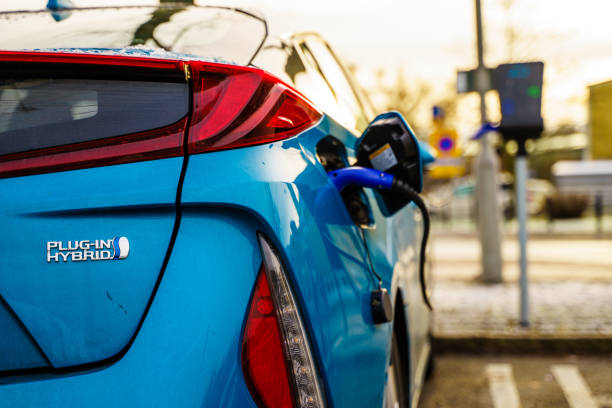
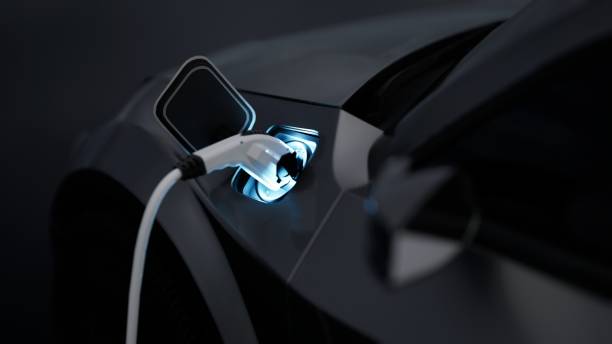
Eco-consciousness is shaping the luxury SUV market. Brands now develop plug-in hybrids and fully electric SUVs to meet emission targets and green consumer demand.
Electric luxury SUVs provide instant torque and quiet rides. Tesla, BMW, and Mercedes lead this space. Buyers get luxury without compromising on sustainability.
Charging infrastructure has improved, encouraging more people to switch. As battery tech advances, range anxiety fades. Luxury buyers now see EVs as practical and future-focused.
Green branding matters. Driving an electric SUV signals both status and responsibility. Brands capitalize on this dual appeal in their marketing strategies.
Luxury brands strategically enter the SUV market to tap into growing demand. Even traditionally sedan-focused brands now offer SUVs as flagship models to stay relevant.
These brands position SUVs as lifestyle accessories. Campaigns often feature scenic landscapes, high fashion, and elite experiences. The SUV becomes a symbol, not just a tool.
Performance is still a selling point. Brands highlight horsepower and handling, but now also emphasize comfort and design. This broader appeal targets varied customer profiles.
Limited editions and special trims add exclusivity. Luxury brands use scarcity to drive desire and increase pricing power. This tactic keeps the segment aspirational.
Affluent urban consumers drive luxury SUV demand. In cities worldwide, residents seek prestige and practicality. SUVs offer both without compromising on luxury.
SUVs provide an elevated driving experience for congested roads. Drivers appreciate better visibility and ride height. Urban environments don’t limit their functionality.
Garage sizes and parking tech now accommodate larger vehicles. Luxury SUVs can now fit urban life without being unwieldy, removing earlier hesitations.
City dwellers also value all-weather performance. Luxury SUVs provide traction in rain or snow while still maintaining a stylish, polished look.
The rise of luxury SUVs isn’t limited to North America. Asia, especially China and the Middle East, shows explosive growth in this segment, boosting global production.
In developing nations, luxury vehicles represent success. As more consumers attain wealth, the SUV becomes a top choice for both comfort and image.
Luxury brands tailor offerings to local markets. Features like rear seat comfort and chauffeur-oriented tech cater to regional preferences, enhancing appeal.
Export strategies have expanded. Brands like Lexus, Audi, and Range Rover now sell high volumes overseas, helping globalize the SUV luxury experience.
Today’s luxury SUVs deliver high performance and superior comfort. Dual-motor systems, turbo engines, and adaptive drive modes meet every driving style and terrain.
Suspension systems now rival those of sedans. Ride quality is smooth even on rough roads. Drivers feel in control without sacrificing comfort.
Inside, heated and ventilated seats, massage functions, and premium materials elevate every journey. These features make SUVs ideal for both daily commutes and long road trips.
Noise insulation and cabin acoustics receive extra attention. Soundproofed cabins offer peaceful rides, making conversations clearer and journeys more enjoyable.
Celebrities play a major role in boosting luxury SUV appeal. Their vehicle choices influence trends and signal aspirational lifestyles to fans and followers.
Social media posts showing luxury SUVs in travel or daily life create desire. These images associate SUVs with success, style, and influence.
Collaborations with influencers and brand ambassadors help reach wider audiences. The association builds credibility and expands consumer trust in new markets.
Red carpets and paparazzi shots featuring luxury SUVs make them fashion statements. These visual cues reinforce the SUV as a must-have item for the elite.
Luxury SUVs meet family needs while offering prestige. Spacious interiors and advanced safety make them ideal for parents who don’t want to compromise on style.
Multiple seating configurations allow for flexible use. Third-row options are common. Rear entertainment and climate zones keep kids happy on longer drives.
Safety is top-notch. Features like surround cameras, collision prevention, and adaptive cruise control appeal to safety-conscious parents and guardians.
Trunk space is generous. Strollers, groceries, and luggage all fit easily. Luxury SUVs offer form and function, giving families room to move in comfort.
The luxury SUV market is increasingly competitive. Brands constantly introduce upgrades to stay ahead. This benefits consumers who enjoy faster innovation and better features.
BMW, Audi, and Mercedes-Benz compete fiercely with newcomers like Tesla and Lucid. Each brand brings unique tech and design to capture niche segments.
Smaller luxury automakers also find room in this market. Maserati and Aston Martin now offer SUVs, expanding their reach and revenue streams.
Consumers win as brands offer more options at different price points. Entry-level luxury SUVs now serve those stepping into the premium market.
The luxury SUV market shows no signs of slowing. Electrification, automation, and smart tech will further reshape this segment and drive new buyer expectations.
Self-driving features will likely grow. Buyers may soon enjoy autonomous driving paired with personalized cabin experiences, redefining what luxury means on the road.
Customization will increase. Buyers will configure vehicles down to the smallest detail. Unique builds will help brands stand out in a crowded market.
Luxury SUVs will keep evolving. The balance of performance, tech, sustainability, and comfort ensures their continued dominance in the premium automotive world.