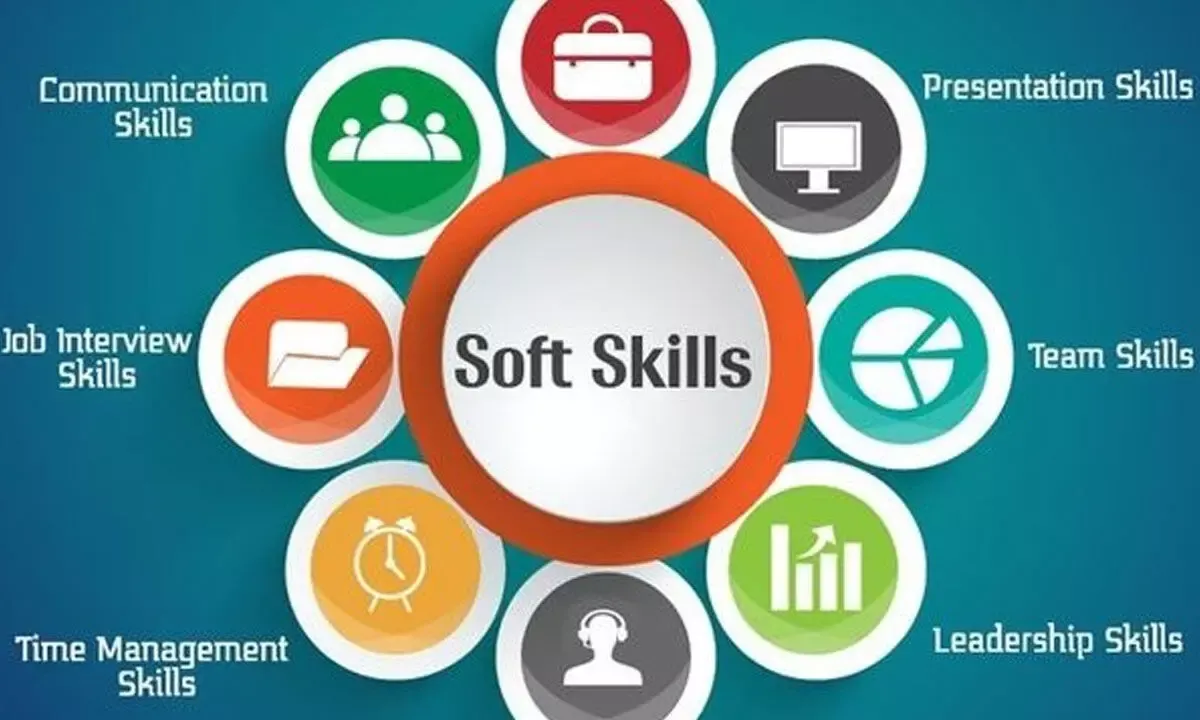
Any challenging talk that is held at the work place will be a learning experience for one’s self-improvement. The way that the manager approaches the discussion can be regarded as the key aspect when forming the perception of the position and future perspectives of the employee. Through the implementation of soft skills training for managers, managers can handle difficult discussions effectively and build mutual trust.
- Knowing the True Causes of Difficult Discussion: The difficult discussion begins with the problem of delays with regard to the deadlines, misunderstandings in terms of expectations, team problems, and changes in performance. It can be used by the manager as a chance to find out what really happens behind those problems. With the help of good questions and attention, employees can express their views.
- Listen First Before Giving Suggestions: Good management will give the subordinates some time to put forward their opinions before suggesting something. This method is termed as active listening because it not only requires listening to what he says, but also how he says and his feelings by asking relevant questions. For example, when there is some problem for the subordinate while doing some work, then the manager asks him about the problem.
- Providing Constructive Feedback That Enables Development: The feedback’s effectiveness will be guaranteed by ensuring that it focuses on actions, results, and how improvements can be achieved in the future. This provides the chance for the managers to reflect upon what took place, its significance, and the way the employees should have done things. When both the positives and negatives about the employees are highlighted, then there is balance in the whole process.
- Turning Disagreements into Shared Solutions: Different points of view may introduce new perspectives in the process of conducting debates with due impartiality by managers. Rather than making immediate judgments, managers can engage every participant in the discussion in presenting his point of view and finding a common goal. A debate on different approaches to completing tasks can result in an improved group procedure.
- A Tool for Building Trust: Communicating the expectations and making good on promises contributes to building trust among managers. At the moment of communication when everything is complicated, the manager is capable of expressing the purpose of this conversation, considering the facts, and coming up with some possible actions. In other words, the employee will understand their responsibilities.
- Practising Difficult Conversations Through Training: The development of communication skills on the part of the manager is achieved through consistent practice, role play, and application of these skills in real-life scenarios at work. This can be achieved through workshops where the manager learns how to react to various situations, including issues regarding performance, team conflict resolution, and handling of requests from employees.
In conclusion, difficult conversations may turn into valuable opportunities to develop one’s own leadership qualities if managed by empathic, patient, and goal-oriented managers. Soft skills training programs for employees might be part of the formation of an organizational culture of communication, learning, and respect. Managers who enable communication to result in action will help to develop not only individuals but also build relationships between them.